
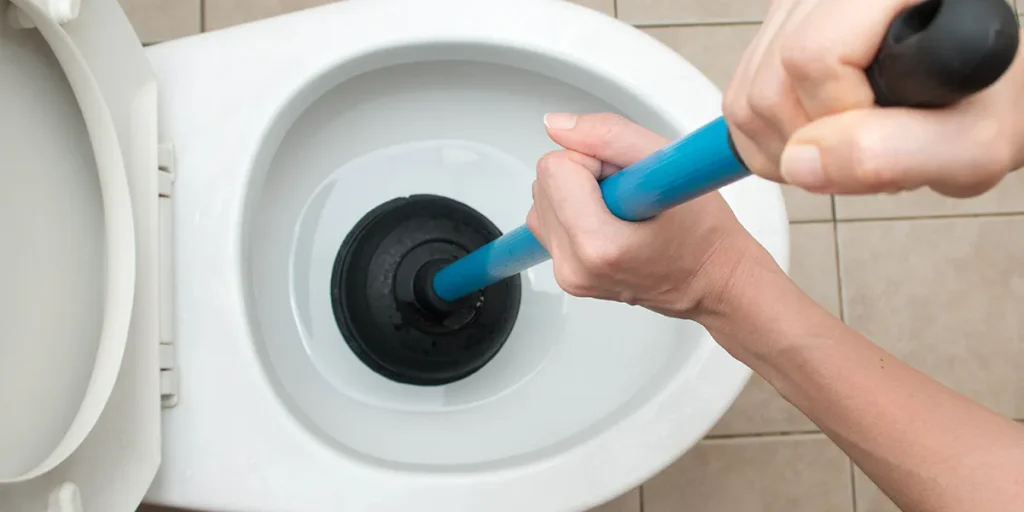
Every household relies on a fully functioning toilet, yet many people unknowingly flush items that can cause serious drainage problems. Toilets and sewers are designed to handle very specific waste, and ignoring this can lead to blockages, flooding, and costly repairs. As experts in drainage and wastewater management, Exjet assists both domestic and commercial clients in keeping their systems flowing smoothly. Here’s what you need to know about what not to flush down your toilet.
What You Can Safely Flush
A good rule of thumb is to keep it simple. Toilets are only designed to handle human waste and toilet tissue. Toilet paper is manufactured to break down quickly in water, preventing build-up within pipework or sewers. Flushing anything else risks damaging your drainage system or causing blockages further down the network.
The Main Causes of Blockages
Wet Wipes and “Flushable” Wipes
Wet wipes are among the main causes of blocked drains in the UK. Even wipes labelled as “flushable” often fail to break down properly, forming large clumps known as fatbergs when combined with grease or oil in sewer systems. Unless a product has the official ‘Fine to Flush’ certification, it should always be disposed of in the bin, not the toilet.
Sanitary Products and Cotton Buds
Items such as tampons, sanitary pads, nappies, and cotton buds do not decompose in water. Instead, they absorb moisture, expand, and can quickly block narrow pipes or catch on rough surfaces. These items should always be disposed of in a bathroom bin.
Dental Floss, Hair, and Other Small Items
Flushing hair, dental floss, or small plastic items might seem harmless, but these materials tangle easily and form net-like blockages that trap other debris. This restricts water flow and can lead to slow drains or overflows.
Cooking Oils, Fats, and Grease
Fats and oils poured into toilets or sinks may seem harmless when hot, but they solidify as they cool, coating the inside of pipes. Over time, this results in stubborn blockages. Let oils cool before disposing of them with general waste.
Medicines and Chemicals
Flushing medication or cleaning chemicals can damage the environment. Wastewater treatment plants are not designed to remove every chemical compound, so these substances may end up in rivers and waterways. Always return unused medicines to your local pharmacy for safe disposal.
The Cost of Flushing the Wrong Items
When unsuitable materials accumulate in your drainage system, they hinder flow and can cause water to back up into your property. Across the UK, water companies spend millions annually clearing blockages caused by wipes, grease, and sanitary waste. These preventable problems can also damage treatment systems and pollute local watercourses.
If you notice slow-draining toilets, foul odours, or frequent blockages, these could indicate that something inappropriate has entered your pipework.
How to Prevent Problems
Keep a small bin in the bathroom for wipes, sanitary items, and other non-flushables.
Wipe up and bin any fat, oil, or grease from cooking instead of washing it away.
Remind family members or staff about what can and cannot be flushed.
Arrange regular drain maintenance and CCTV surveys with Exjet to keep your system clear and efficient.
Drainage Support from Exjet
Exjet offers a comprehensive range of drainage services, including CCTV drain surveys, no-dig pipe repairs, and scheduled maintenance for commercial sites. Our engineers operate throughout the South West using advanced equipment to locate and clear blockages efficiently and safely. Whether you require emergency unblocking or preventative advice, our team is here to help ensure your system functions effectively.
Final Thoughts
Flushing the wrong items might not cause an immediate problem, but over time, it can lead to serious consequences for your property and the environment. By only flushing waste and toilet paper, you help prevent costly repairs and promote cleaner waterways.
If you suspect a blockage or want to schedule a drainage inspection, contact Exjet today for expert assistance.